Planning Day Trips When You Do Not Speak the Language
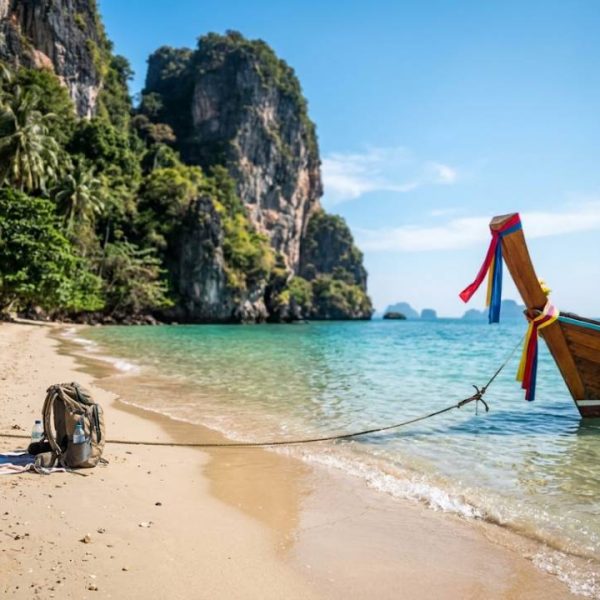
A good day trip can be the highlight of a holiday: a boat to a quiet island, a temple at sunrise, a cooking class in a village. Many of the best ones are run by small local operators who speak little English.
With a little preparation, you can enjoy them with confidence and without stress.
Book Ahead When You Can
Reserve online or through your hotel, and keep the confirmation on your phone and on paper. Check the meeting point, the start time and what is included.
The more details you confirm in writing, the fewer you need to explain in person.
Take a screenshot of the map location, since local names may differ from the ones online.
Save Key Phrases Offline
Write down or save a short list: where is, how much, thank you, I need help, and a polite way to say no. Add the numbers one to ten.
Phone signal is not always reliable at beaches, mountains or temples, so use an app that works offline and keep a paper backup.
Show, Do Not Tell
Pictures, maps and written addresses are universal. Show a photo of your hotel to a taxi driver, or point to the destination on a map.
Gestures work too, but learn the local ones first, since some can be impolite. A smile and patience are understood everywhere.
The same preparation pays off in a city where you do not speak the local language, since a ready-made plan removes the need to negotiate each day from scratch. A rome itinerary sets out a first visit to Rome day by day, grouping sights that sit near each other and leaving afternoons open for rest. Travellers can follow it with a few saved phrases and a map, and still enjoy the city without worrying about the language barrier.
Thailand as an Example
Thailand welcomes millions of visitors each year, and day trips are a staple of any itinerary. Boat tours, elephant sanctuaries, floating markets and temple visits are all popular.
Signs, menus and notices outside tourist centres are often only in Thai. Travellers who prepare english to thai translation for important notes, such as dietary needs, allergies or medical information, can share them clearly with hosts and guides.
Write the notes in Thai script and keep a copy in your phone.
Choose Reliable Tour Providers
Read recent reviews, look for clear pricing and avoid operators who press you to pay in cash on the street. Registered operators usually provide receipts and insurance details.
The U.S. Department of State travel site offers country information, safety notices and emergency contacts that apply to many nationalities and are a good starting point.
Learn From Good Practice
Travel is smoother when you know how to ask for help clearly. Short, polite requests and a few cultural basics make a strong impression.
A set of practical translation tips can help when you need a document explained, such as a booking confirmation, a medical note or an insurance form.
Get Back Safely
Know how you will return before you leave. Save the address of your hotel in the local language, and note the last bus or boat times.
Day trips planned without the local language work out roughly as the article describes: manageable, occasionally baffling, and heavily dependent on whatever written material you can find. A brochure or a timetable that has been translated carelessly sends visitors to the wrong platform at the wrong hour. Operators who invest in proper hospitality translation remove most of that friction, and they get fewer complaints that were never really about the tour.
Share your plan with someone at home, and keep the number of your accommodation handy.
Money, Tipping and Bargaining
Carry small notes, since guides and drivers often cannot change large ones. Ask about tipping customs politely and in advance.
When bargaining, stay friendly and smile. A fair price is one that both sides feel good about.
Respect Local Customs
Dress modestly at temples, remove shoes where asked and avoid touching sacred objects. Ask before taking photos of people.
What to Pack for a Day Out
Keep your bag light but smart. Bring water, sun protection, a small first aid kit, a portable charger and a rain layer. Cash in small notes and a copy of your passport are useful in many places.
Add a notebook with the addresses and phone numbers of your hotel and your tour provider, written in the local script. If your phone fails, anyone nearby can read it and point you in the right direction.
Food, Allergies and Dietary Needs
Menus without pictures can be tricky. If you have allergies or follow a special diet, prepare a clear card in the local language that lists what you cannot eat and why it matters.
Show it before you order, and ask the cook to confirm. Street food is a joy of travel, and a card gives you the confidence to enjoy it safely.
Staying Connected
Local SIM cards or eSIMs are inexpensive in many countries and make maps, translation apps and ride hailing much easier. Download offline maps for each area you plan to visit.
Share your live location with a trusted friend on longer outings, and set a reminder to check in once you are back at your hotel.
Ask for Help the Right Way
When you need help, approach someone who looks unhurried, such as a shop owner or a hotel receptionist. Greet them first, then show your phone or notes.
Speak slowly, use simple words and thank them warmly. People are usually delighted to help a visitor who makes an effort.
Final Thoughts
Not speaking the language does not have to limit your adventures. With good planning, a few phrases and a calm attitude, day trips become stories you will tell for years.